Fringe Festival First-Timer Guide: Choosing Shows, Buying Tickets, and Pacing Your Day
A fringe festival does not hand you a tidy evening. It hands you four hundred possibilities, a map with three venues sharing one postcode, and a ticket desk staffed by someone in a costume. You will pick wrong at least once. That is fine, and partly the point. What follows is the practical business of a first visit: how to read a programme without losing an afternoon to it, how to get tickets without missing out or overpaying, and how to see four shows in a day without ending up at eleven at night in a stairwell, wondering why your legs have stopped cooperating.
What a fringe actually is
The defining feature of a fringe is that nobody curates it for you. A festival with a programme committee filters its line-up; a fringe takes the money and gives you a slot. That means a show polished enough for a national tour can sit in the same building as a first attempt staged with two lamps and a bedsheet. The quality range is wider than anything you're used to, and the marketing is written by the people making the work.
Venue size tells you something, but less than you'd think. A 200-seat room costs more to hire, so the company is either well-funded, well-established, or gambling hard. A fifteen-seat room above a pub is where you'll find some of the strangest and best things all week. Neither guarantees anything.
How to read a programme without losing an afternoon
The blurb is an advertisement written by the artist, not a review. Once you accept that, the programme becomes much easier to use. Adjectives are noise — "hilarious", "unmissable", "genre-defying" appear on every third page. Concrete detail is signal.
Read for these instead:
- Form and running time. A 50-minute solo storytelling piece and a two-hour-forty ensemble epic ask different things of you at 4pm on a hot afternoon.
- Who is in the room. Cast size, and whether you'll be seated, standing, walking, or sharing a very small space with the performers.
- What actually happens. If the blurb can't say what the show is about in plain terms, that's information too.
- Language and access. Check the language, and look for captioned, relaxed or interpreted performances if you need them.
- Venue and stairs. A basement with no lift is a real constraint. Fringes usually flag it; read that before you fall in love with a listing.
Reviews help less than you'd hope. Much fringe coverage is written in the first days by people seeing five shows a day, so a three-star notice on Tuesday says more about the reviewer's schedule than the show. Use reviews to rule things out, not in. Word of mouth is better: the queue outside a venue at six, the box office staff who've seen everything twice, the stranger you sit next to.
Building a shortlist you'll actually use
Don't build an itinerary. Build a shortlist and let the day arrange itself.
- Star fifteen to twenty listings across the whole run, not just your first three days. Include two or three things you'd never normally book.
- Sort by building, not by hour. Cluster your stars by venue. Two shows in the same building is a comfortable gap; two shows across a city is a sprint.
- Book two anchors a day. One afternoon, one evening. Everything else stays flexible.
- Leave one slot empty on purpose. That's where the recommendation from a stranger goes.
Keep the shortlist on your phone, but write the venue and start times down somewhere offline as well. Signal in old buildings with thick walls is unreliable, and a screenshot costs nothing.
Tickets: early for the few, late for the many
Only a small proportion of fringe shows sell out, and they're usually the ones with a name attached, a cult following, or a single tiny room. If one of those is on your list, book it the day the programme goes live. Everything else can wait until the morning of.
A few things worth knowing before you click:
- Check the fees. Booking charges vary wildly between venues inside the same festival. A cheap ticket with a chunky fee isn't cheap.
- Know the exchange policy. Some fringes let you swap tickets between shows at the same venue; some don't. Read the terms before committing to a five-show day.
- Look for passes. Multi-show or day passes sometimes undercut single tickets if you're seeing three or more things in one place.
- Plan for sold out. Return queues, waiting lists and simply turning up ten minutes before curtain work more often than you'd expect. Ask at the desk — staff know where the gaps are.
On money generally: set a rough budget per day before you go, hold a little back for bucket collections at the door, and treat any unusually good "deal" on a ticket with mild suspicion. Buy through the festival's official box office or the venue itself, and keep the confirmation. Many free shows aren't free so much as pay-what-you-decide-on-the-way-out, so bring cash.
Pacing, which is the part nobody warns you about
Three shows in a day is a good day. Four is a long one. Five is a stunt you'll pay for on Wednesday. The maths is simple: a 55-minute show takes roughly two hours of your life once you've queued, found the room, waited for latecomers to be seated, watched it, and got out again.
Build the day around sitting down. Not eating a sandwich while walking to the next venue — actually sitting, ideally with a table and something warm. Venues are either overheated or freezing, so wear layers and carry water. Wear the shoes you'd wear to walk around a city for six hours, because that is what you're doing.
Leave at least thirty minutes between shows in the same building and a full hour if you're crossing town. Fringe maps lie about distance, and the walk from a church hall to a converted warehouse is often uphill.
And give yourself permission to stop. If the 9pm show is the only thing between you and a decent night's sleep, skip it. Nobody is keeping score. If a health condition affects standing, stairs, heat or long days, plan the schedule around it before you arrive rather than during — and if you're unsure what you can safely manage, ask your own doctor or clinician.
When a show doesn't work
It will happen, probably on the first afternoon. Give a show fifteen minutes. If it's clearly not for you, leave quietly — aisle seat, no announcement, no commentary on the way out. Sitting through something you hate out of politeness isn't a virtue at a fringe; it just makes you tired for the thing you came to see.
Equally, don't write off a day because one thing missed. Shows sit next to each other by chance, not by quality. The 2pm that bored you and the 7pm that floors you are unrelated events. Talk to people in queues and bars: half the audience has seen something you haven't, and will happily tell you about it at length.
The first-timer's checklist
- Shortlist fifteen shows; book only the two or three that will sell out.
- Two anchors a day, one empty slot, one sit-down meal.
- Cash for collections, tickets saved offline, a spare layer, decent shoes.
- Fifteen-minute rule for a show that isn't working.
- One wildcard a day, chosen on the day, ideally on a recommendation.
That's the whole method. Pick a few things with care, leave room for the ones you couldn't have predicted, and stop before you're too tired to enjoy any of it.
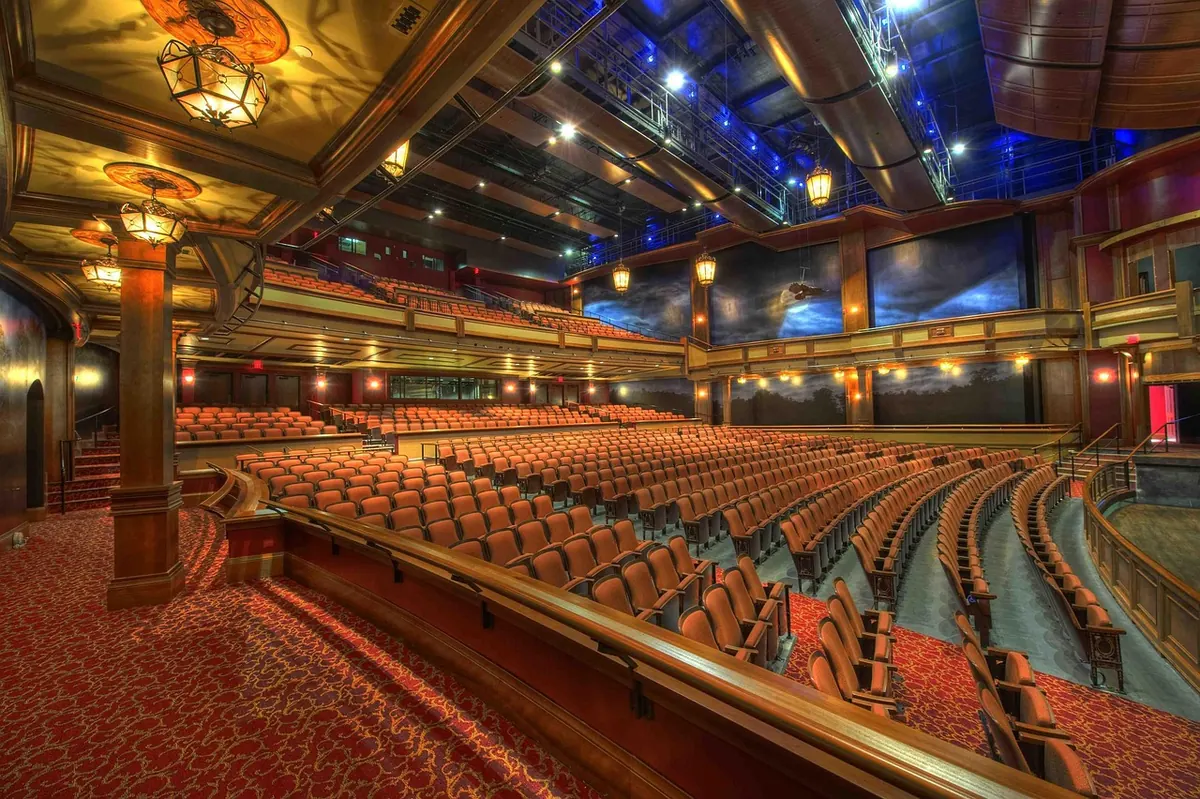
Photo: luxstorm / Pixabay
You Might Also Like
Opera, musicals and straight drama share a stage but ask different things of an audience. A practical guide to spotting the differences before you book a ticket.
A practical guide to Italian audience customs — when to clap at the opera, how to shout bravo correctly, why booing is a tradition, and how to handle the curtain call.